
Setmelanotide: A Physician’s Read on MC4R Agonism, From POMC Deficiency to TRANSCEND
A cyclic octapeptide that activates MC4R downstream of a broken pathway. A short physician’s read on the biology, the data and who to test.

Maridebart Cafraglutide: A Physician’s Read on a Monthly GLP-1 Antibody-Peptide Conjugate
A GLP-1 agonist carried by a GIP receptor blocking antibody, dosed every 4 to 8 weeks. A short physician’s read on the design, the data and the open questions.

Orforglipron: A Physician’s Read on the First Small Molecule GLP-1 Medicine
The first GLP-1 receptor agonist that is not a peptide. A short physician’s read on the structure, the trials and the trade-offs.
Oral Semaglutide and SNAC: A Physician’s Read on the First Peptide Pill for Weight
Peptides are injected because the gut digests them. A short physician's read on how semaglutide broke that rule.

Amylin, the Second Beta Cell Hormone: A Physician’s Read on Cagrilintide, CagriSema and REDEFINE
The beta cell ships two hormones at once. A short physician's read on amylin agonism and what the REDEFINE trials show.

The Counterintuitive Third Agonist: A Physician's Read on Glucagon, Retatrutide and TRIUMPH
Adding a hyperglycemic hormone to an incretin sounds wrong. A short physician's read on why it works, and what remains unknown.
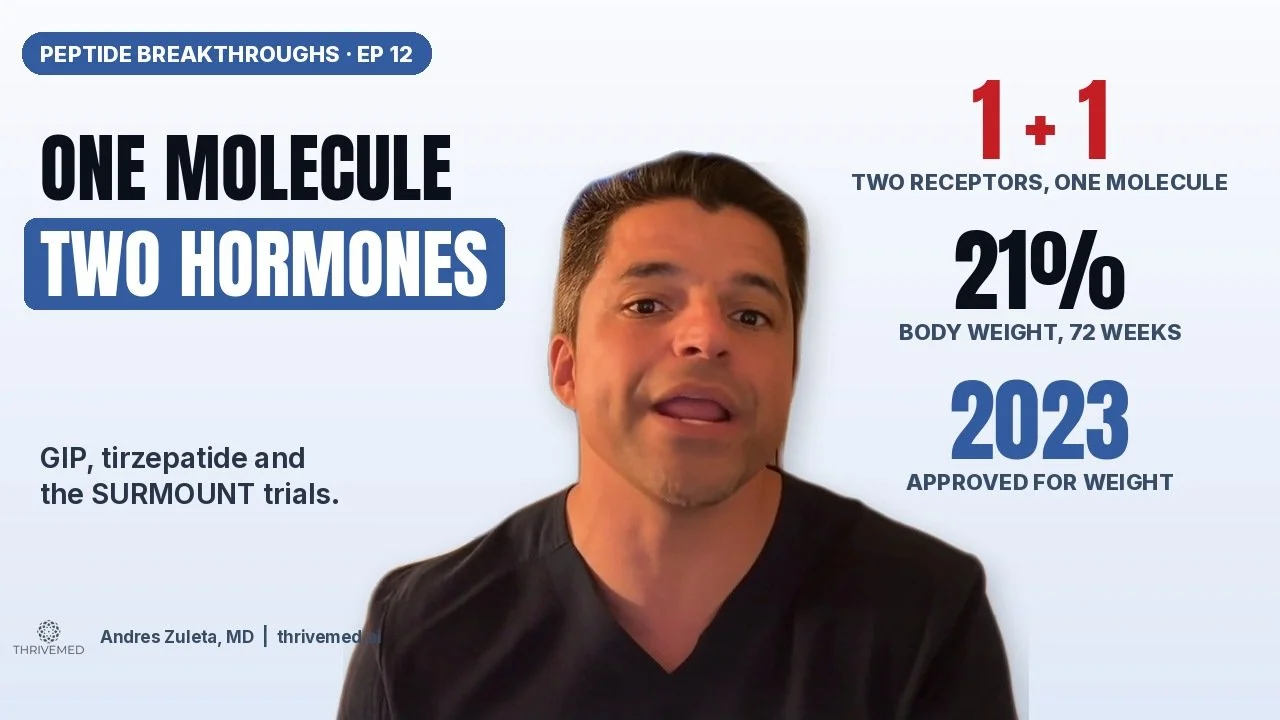
The Incretin That Came Back: A Physician’s Read on GIP, Tirzepatide and the SURMOUNT Trials
In 1993 GIP looked like a dead end in type 2 diabetes. A short physician’s read on how a dual agonist brought it back.
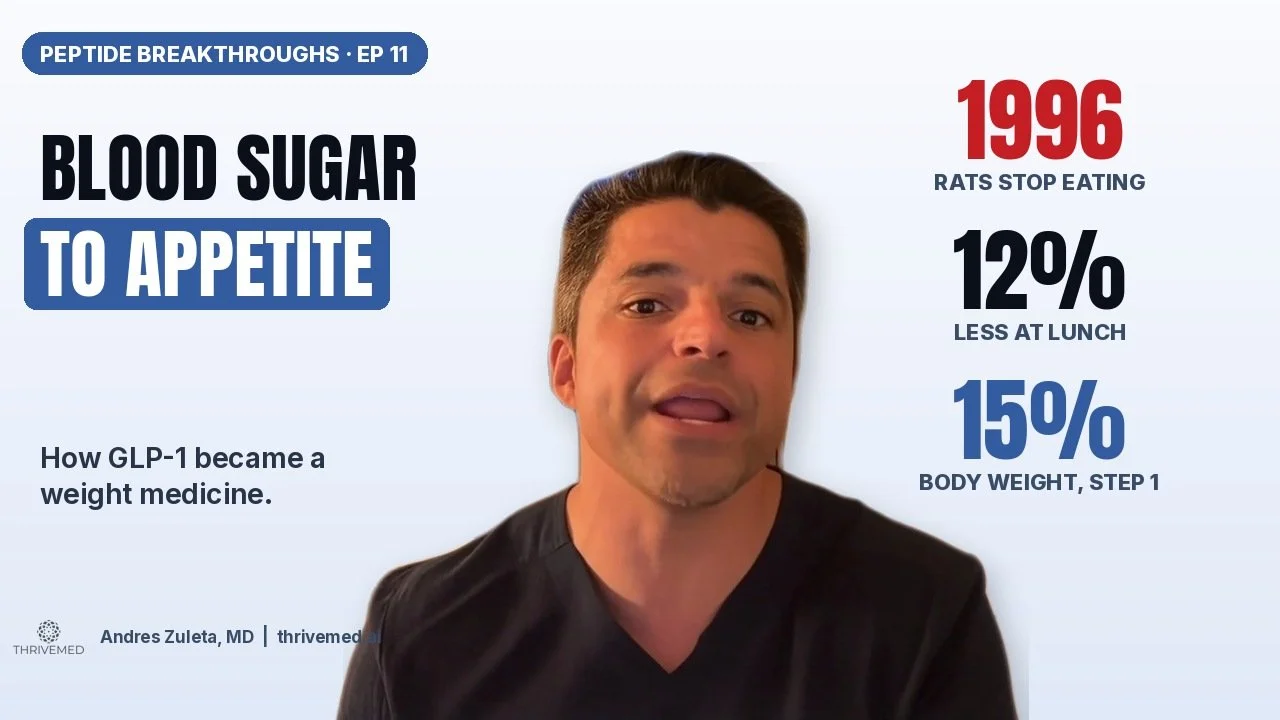
From Satiety Signal to Weight Medicine: A Physician’s Read on GLP-1, Appetite and the STEP Trials
The incretin effect lives in the pancreas; the appetite effect lives in the brain. A short physician's read from the 1996 rat study to semaglutide 2.4 mg.
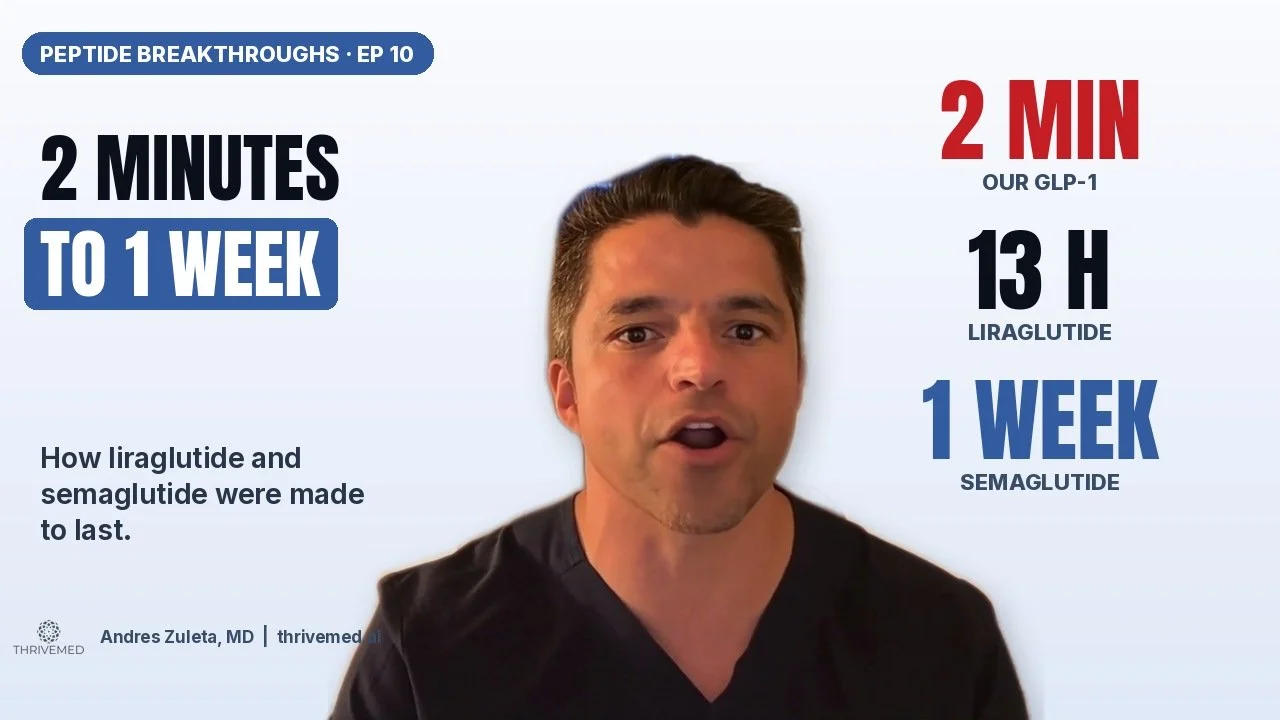
A Fatty Tail and a Protein Bus: A Physician’s Read on How Liraglutide and Semaglutide Were Made to Last
Same receptor, different clock. Here is the short physician's read on fatty acid acylation, albumin binding and position two, from liraglutide to semaglutide.

A Lizard, One Amino Acid and a Self-Paid Patent: A Physician’s Read on Exendin-4
The first GLP-1 medicine came from a lizard and a doctor who paid for his own patent. Here is the short physician's read: one amino acid, four hours, and the honest trade-offs.

Melflufen in Glioblastoma: A Physician's Read on the INSULA Window of Opportunity Data
Three patients, one dose, drug in every resected tumor, and no numbers yet. A short physician’s read on what the INSULA data can and cannot tell us.

GLP-1 Was Hiding in Plain Sight: A Physician's Read on Its Discovery
I talk about GLP-1 with patients every week. Almost nobody knows it was found in a fish gene, by a chemist who saw 31 where others saw 37. Here is the short physician's read.

Recombinant Human Insulin, 1972 to 1982: A Physician’s Read on Boyer, Cohen and Genentech
The 1973 plasmid paper, somatostatin expressed in E. coli in 1977, the two-chain insulin method of 1978, and the 1982 FDA approval, read as a physician, with what it means for how medicines are made.

The Hypothalamic Hormones, 1969 to 1977: A Physician’s Read on Guillemin, Schally and Yalow
TRH, GnRH and somatostatin read as a physician: what the 1969 to 1973 papers showed, the 1978 pulsatility finding behind GnRH agonists, why somatostatin was redesigned as octreotide, and Yalow’s radioimmunoassay.

Solid Phase Peptide Synthesis, 1963: A Physician’s Read on Merrifield’s Bead
Merrifield's 1963 method read as a physician: the notebook idea, the compounding math, the honest limits of the 1969 enzyme, and what it means for how peptide medicines are made and tested.

AI-Initiated Acne Prescriptions in Utah: A Physician’s Read of the Nolla Health Agreement
What Utah's Office of Artificial Intelligence Policy actually granted, how the system is bounded, how oversight steps down, what the company's data shows and does not show, and what I want to see next.

Aletta and the First Autonomous Blood Draw: A Physician’s Read of the De Novo and the ADOPT Trial
What the FDA actually authorized on August 19, 2026, what the special controls require, what ADOPT shows and does not show, and what I would want before putting one in a draw room.

Insulin, 1955: A Physician’s Read on the First Protein Sequence
Sanger's insulin papers of 1951 to 1955, read as a physician: the method, the species comparison, what the sequence could not show, and the clinical line to analogs and C-peptide.

Oxytocin, 1953: A Physician’s Read on the First Synthetic Peptide Hormone
The first synthetic peptide hormone, read from the papers: the 1953 synthesis, the 1954 head-to-head test in postpartum women, the limits, and the line to desmopressin and carbetocin.

Insulin, 1922: A Physician’s Read on the First Peptide Medicine
The first clinical use of insulin, read from the 1922 paper: a failed first injection, a purification fix, a treatment and not a cure, and the line to today's research.