NHS-Galleri and PATHFINDER 2: My Read of the First Big Multi-Cancer Blood Test Trial
By Andres Zuleta, MD
On September 22, 2026, the New England Journal of Medicine published the main results of NHS-Galleri, the first large randomized controlled trial of a multi-cancer early detection (MCED) blood test. Nature Medicine published two companion papers the same day: the NHS-Galleri test-performance analysis and PATHFINDER 2, a large single-arm study of the same test, mostly in the US. I have read the NEJM abstract and the full open-access text of both Nature Medicine papers. Here is my read, in four parts: the trial, the results, the drawbacks and the possibilities.
If you want the patient-friendly version, I wrote that for ThriveMed here: The Galleri cancer blood test: what the first big trial found.
Watch: the 5-minute version
Prefer it shorter? Here is the 48-second version on YouTube Shorts.
1. The trial
NHS-Galleri randomized 142,250 people aged 50 to 77 in England (71,122 intervention, 71,128 control). Blood was drawn at up to three annual visits. In the intervention group it was tested with Galleri, which reads tumor methylation patterns in cell-free DNA and, when positive, predicts a cancer signal origin to guide the workup. In the control group it was stored untested. Both groups were encouraged to continue routine NHS screening.
The primary endpoint was stage III or IV cancer among 12 prespecified cancer types. Stage IV cancer was a key secondary endpoint.
2. The results
Primary endpoint: not met. The incidence of stage III or IV cancer did not differ between groups: rate ratio 1.03 (95% CI 0.92 to 1.14), P = 0.63.
Stage IV: a possible signal, not a finding. After three rounds, the stage IV rate ratio was 0.86 (95% CI 0.74 to 1.00). The interval touches 1.00, so it is not statistically significant. The authors call for further follow-up.
Test performance in NHS-Galleri (Neal et al., Nature Medicine; descriptive, no hypothesis testing):
MeasureRound 1Round 2Round 3Positive results1.03%0.80%0.90%Positive predictive value58.0%50.4%45.8%False-positive rate0.44%0.40%0.50%Episode sensitivity, all cancers37.2%27.1%26.7%Episode sensitivity, 12 prespecified types63.4%47.6%50.7%
In plain numbers: about half of positives were cancer, false alarms occurred in about 1 in 200 people without cancer or fewer (specificity 99.5% to 99.6%), and the test caught about 1 in 3 cancers overall and about half of the 12 prespecified types, which account for more than 60% of cancer deaths. Cancer signal origin prediction was correct 91.1% to 93.6% of the time. Among false negatives, prostate (33.7%) and breast (14.2%) were the most common.
PATHFINDER 2 (Nabavizadeh et al., Nature Medicine): 35,878 adults aged 50 and older without clinical suspicion of cancer were enrolled, with 32,007 analyzable for performance. Positive predictive value was 60.3% (95% CI 54.5% to 65.8%), specificity 99.64%, and episode sensitivity 39.3% (95% CI 34.9% to 44.0%) for all cancers and 69.8% for the 12 prespecified types. The number needed to screen to detect one cancer was 185 (95% CI 159 to 215). 213 participants (0.6%) had an invasive procedure after a positive test, and 90.5% of those procedures were nonsurgical.
Sensitivity varied widely by cancer type, from 9.6% for prostate and 23.4% for breast to 85.7% for colorectal and 90.0% for liver and bile duct cancers:
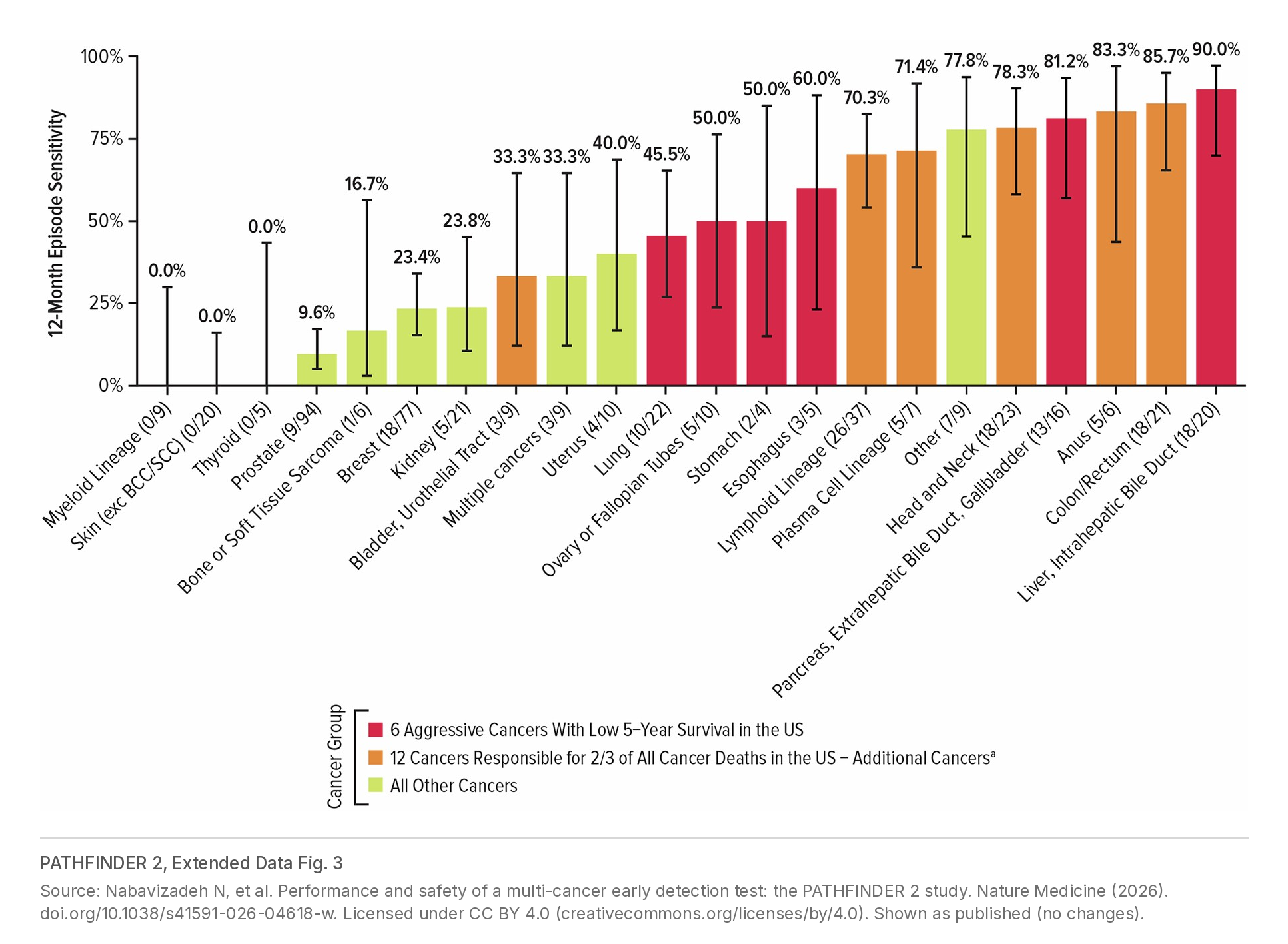
Extended Data Fig. 3 from Nabavizadeh N, et al. Nature Medicine 2026, doi.org/10.1038/s41591-026-04618-w, CC BY 4.0, shown as published.
3. The drawbacks
The primary endpoint was not met. For a screening test, the stage shift is the whole point, and the randomized data do not show one yet.
Funding. GRAIL funded all three studies and participated in study design, data interpretation and drafting of the papers.
No mortality data. Cancer-specific mortality will be reported in future publications.
Limited sensitivity. A negative result should not be read as ruling out any particular cancer. The authors are explicit that MCED testing is meant to complement, not replace, standard screening. In practice that means colonoscopy, mammography, cervical screening, and low-dose CT for eligible patients still come first.
PATHFINDER 2 design. It was single arm with no comparator, used an earlier version of the test that has since been replaced, and the sponsor covered diagnostic workups.
Regulatory status. Galleri is not FDA approved. On September 23, 2026, an FDA advisory panel voted 10 to 0 on safety, 6 to 4 on effectiveness, and 7 to 2 with one abstention that benefits outweigh risks for adults 50 and older. That vote is advice, not peer-reviewed evidence, and the FDA's decision is pending.
4. The possibilities
The most interesting number to me is in PATHFINDER 2: of the 173 cancers the test detected, 126 (72.8%) were types with no recommended US screening test. Of the 440 cancers diagnosed within 12 months in that study, 173 were found by the MCED test, 91 by guideline screening (31 USPSTF A or B, 60 USPSTF C) and 176 clinically. If a test like this can find pancreatic, liver or ovarian cancers earlier, in a way that changes outcomes, it could fill a real gap. That is a could, not a promise. As the PATHFINDER 2 authors write, randomized trials and longer follow-up are needed to assess clinical utility, and NHS-Galleri's stage IV and mortality results will be worth watching.
How I plan to use it
My opinion, not a finding of these studies:
Proven screening comes first. I will make sure patients are up to date on colonoscopy, mammography, cervical screening and lung CT where eligible before discussing an MCED test.
For patients who still want it, we agree up front on the workup for a positive result, and I make clear that a negative does not clear them.
I will be honest that we do not yet know whether it saves lives.
References
Sasieni P, et al. Effect of Screening with Multicancer Early-Detection Test on Late-Stage Cancer Diagnosis. N Engl J Med, published online September 22, 2026. doi.org/10.1056/NEJMoa2505723
Neal RD, et al. Performance of a multi-cancer early detection test in the randomized controlled NHS-Galleri trial. Nat Med, 2026 (open access). doi.org/10.1038/s41591-026-04652-8
Nabavizadeh N, et al. Performance and safety of a multi-cancer early detection test: the PATHFINDER 2 study. Nat Med, 2026 (open access). doi.org/10.1038/s41591-026-04618-w
FDA advisory panel vote, September 23, 2026: GRAIL press release (company statement, not peer-reviewed).
Educational only, not medical advice. Approximations ("about 1 in 3", "about 1 in 200", "about half") are rounded from the published figures shown alongside them.